

Finding a gas leak is not as simple as following a smell. Many leaks are small, located underground, or hidden behind walls and appliances — which is exactly why professional gas leak detection relies on specialized equipment rather than guesswork. Here is a closer look at how the process actually works.
Step 1: Visual and Site Inspection
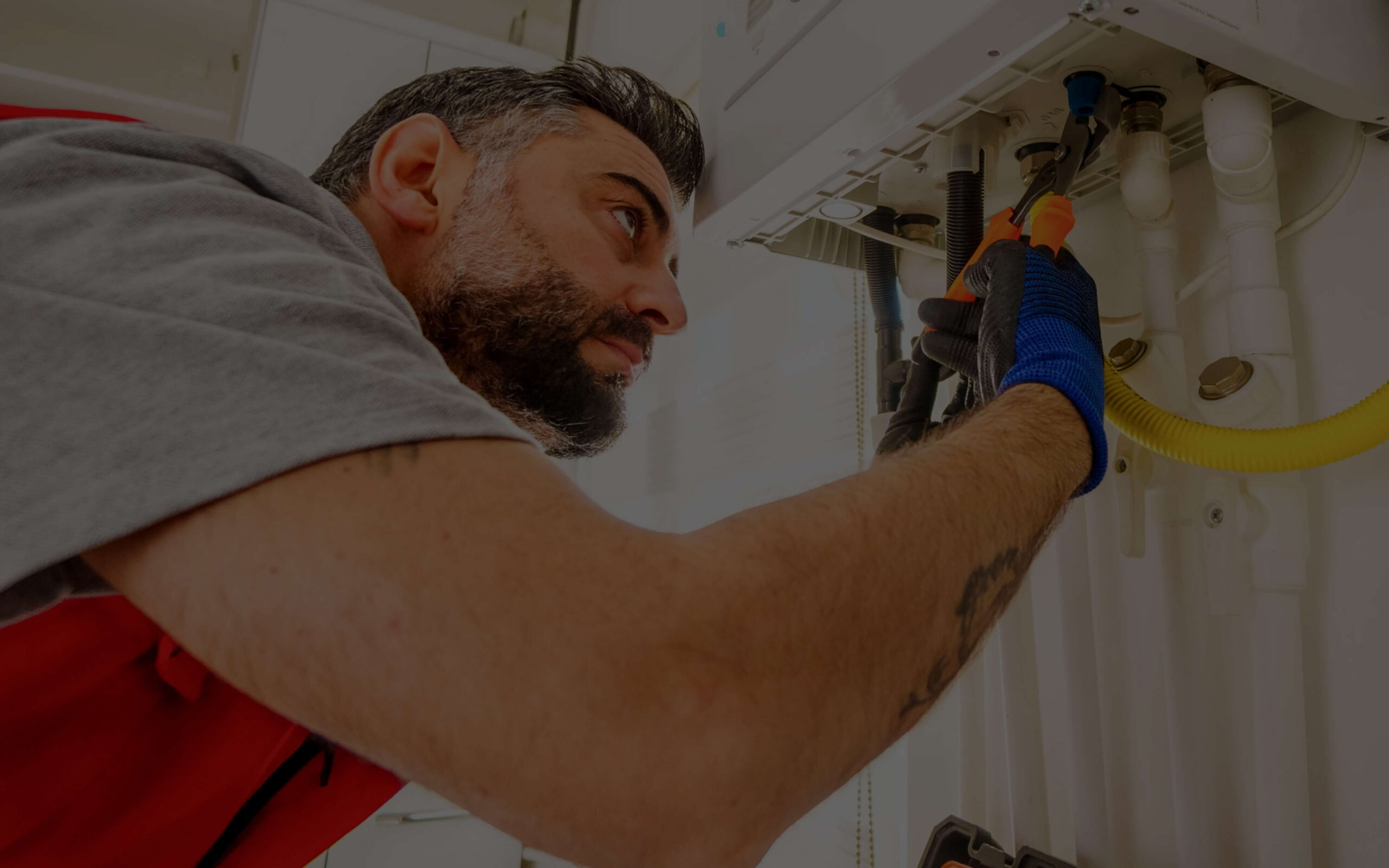
Every inspection begins with a visual walkthrough. Technicians examine exposed gas lines, meters, fittings, and appliance connections for signs of corrosion, damage, or wear. They also ask about any symptoms you have noticed, such as smells, sounds, or unusual plant die-off in the yard.
Step 2: Electronic Gas Detectors
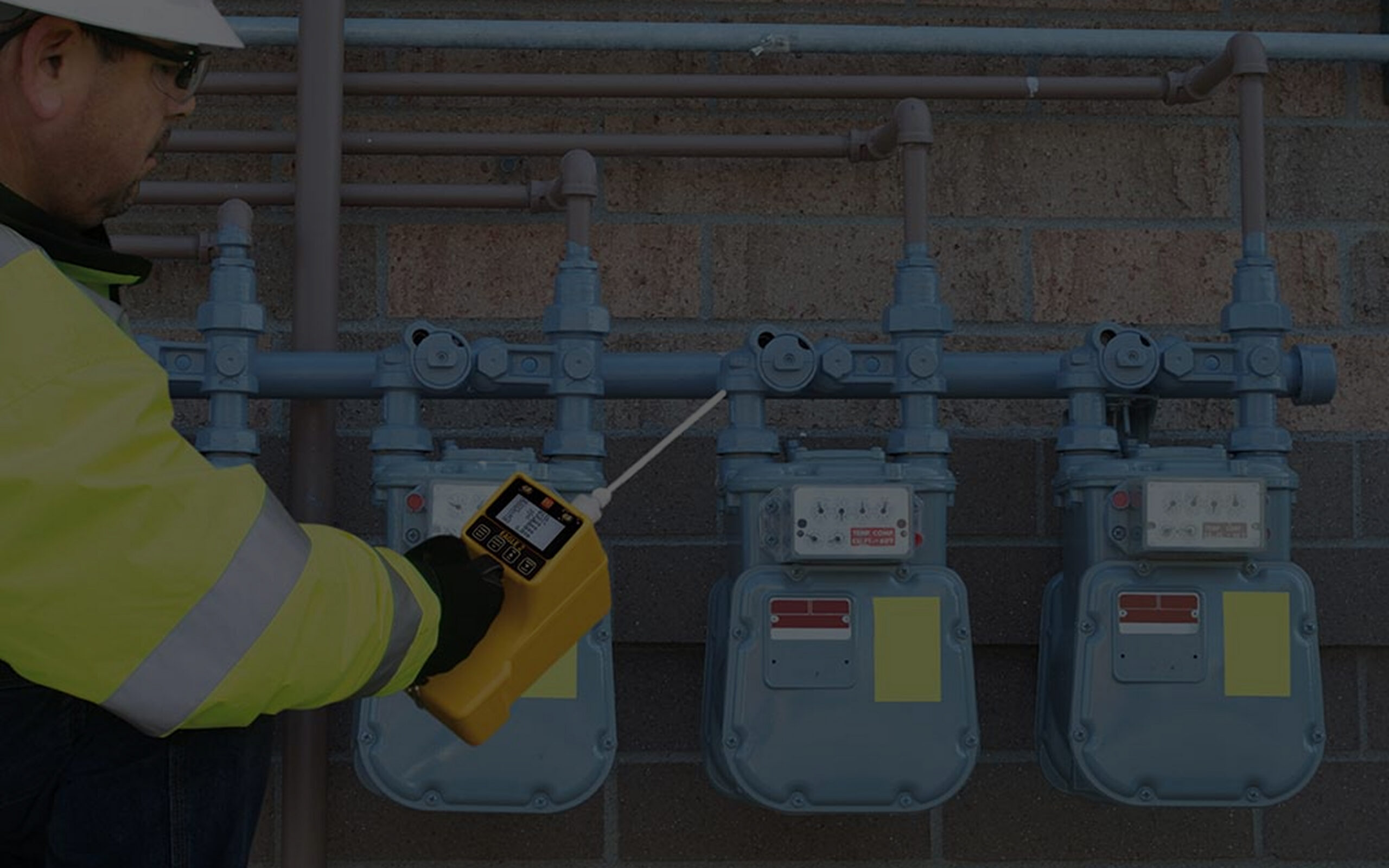
Handheld electronic gas detectors, sometimes called combustible gas indicators, are passed along pipes, joints, and appliance connections. These devices sense even trace concentrations of natural gas or propane in the air and alert the technician with an audible or visual signal, allowing for highly precise leak location without any digging or demolition.
Step 3: Acoustic Leak Detection
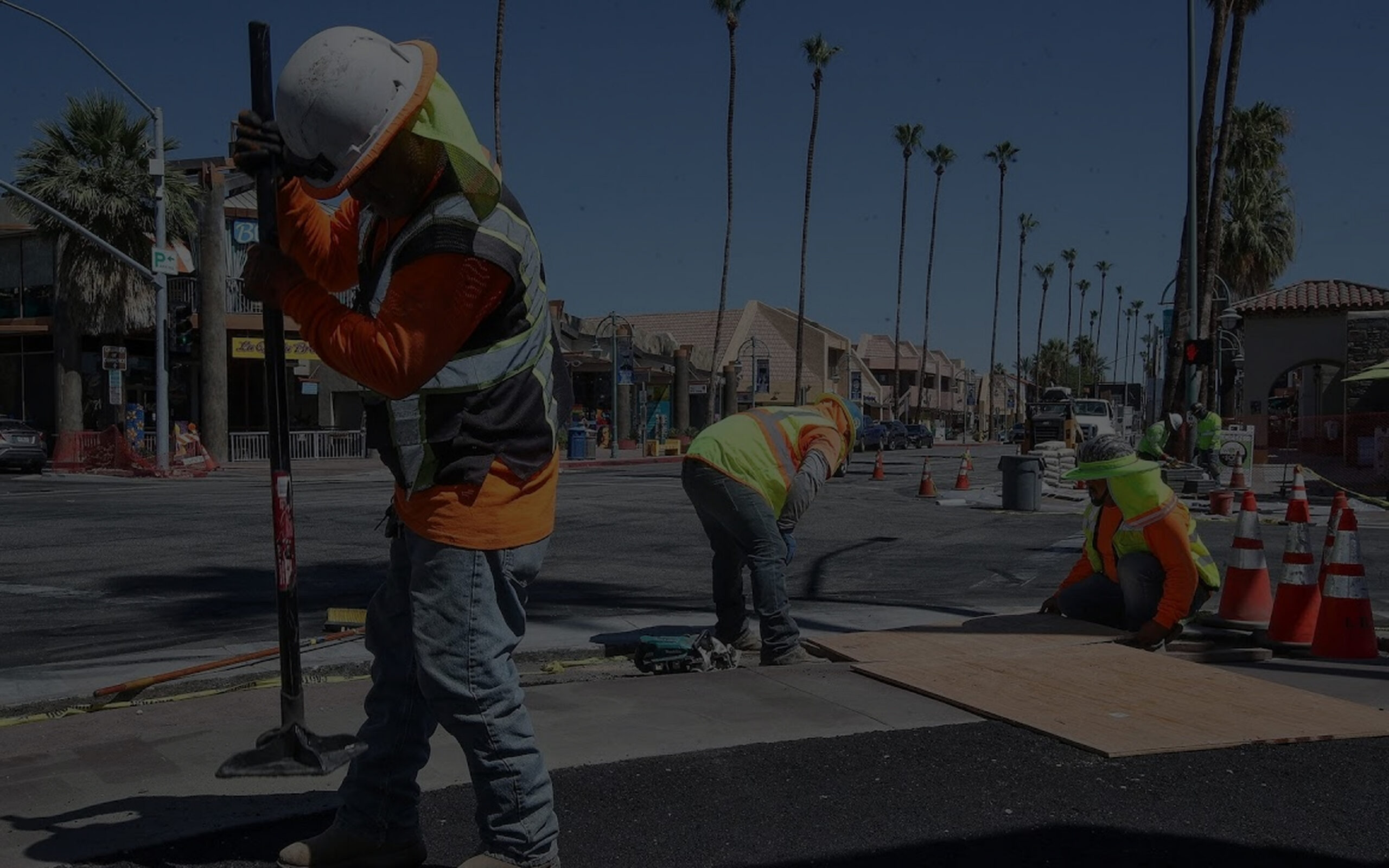
For pressurized gas lines, especially underground piping, acoustic detection equipment can pick up the faint sound of gas escaping through a crack or joint. This method is particularly useful for buried lines where digging exploratory holes would otherwise be required.
Step 4: Pressure Testing
Technicians may isolate sections of the gas system and apply controlled pressure to check whether the system holds steady over time. A drop in pressure indicates gas is escaping somewhere along that section, helping narrow down the leak’s location even when it cannot be seen or heard directly.
Step 5: Bubble Solution Testing
For exposed fittings, valves, and connections, technicians often apply a specialized non-corrosive bubble solution. If gas is escaping, bubbles form at the leak point, providing a clear, simple visual confirmation.
Step 6: Documentation and Recommendations
Once a leak is located, technicians document its severity and exact location, then walk you through repair options. For non-emergency findings, you will typically receive a written report outlining recommended next steps, which is especially useful for insurance claims, landlord requirements, or real estate transactions.
Why Professional Detection Matters
Store-bought gas detectors can offer a basic layer of awareness, but they are no substitute for professional-grade equipment and training. Combustible gas, particularly natural gas and propane, can be dangerous in concentrations too low for the human nose to detect but high enough to pose a fire or health risk. Professional technicians are trained to interpret readings correctly, locate leaks efficiently, and recommend safe, code-compliant repairs.
If you want peace of mind about your home’s gas safety, schedule a professional inspection with GasLeakDetectionRepair. Our technicians bring the same advanced tools described above to every appointment, with 24/7 availability for true emergencies.