

Gas leaks are often preventable. While some causes — like ground shifting or extreme weather — are outside your control, many leaks develop gradually due to wear, poor maintenance, or accidental damage. The following tips can help you reduce your risk and catch small problems before they become serious.
1. Schedule Routine Gas Safety Inspections
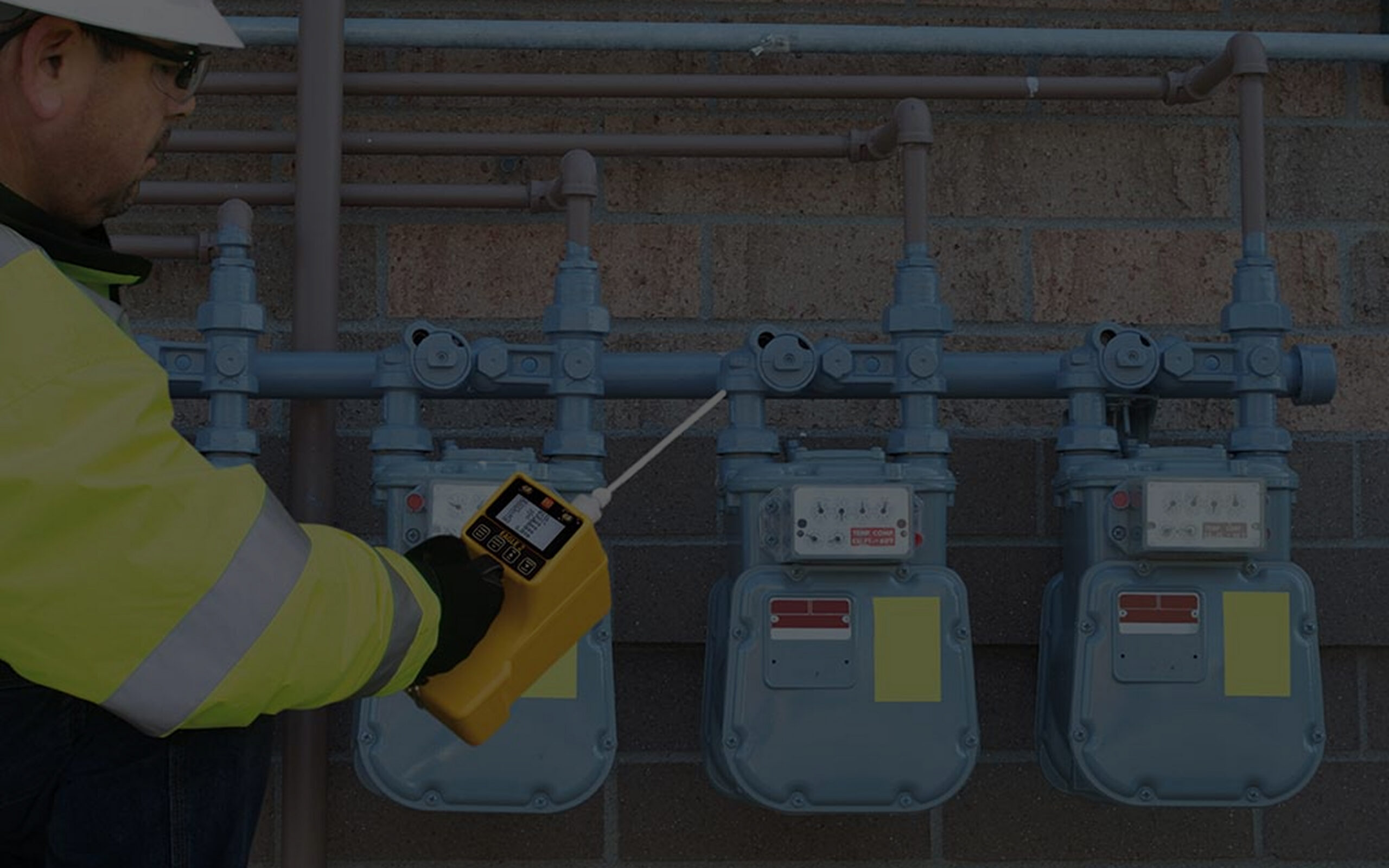
An annual or biannual inspection by a certified technician can catch corrosion, loose fittings, or early-stage leaks long before they become noticeable through smell or sound.
2. Maintain Your Gas Appliances
Water heaters, furnaces, stoves, and dryers should be serviced regularly according to manufacturer guidelines. Worn connections and aging components are common sources of small leaks.
3. Know the Location of Your Gas Lines
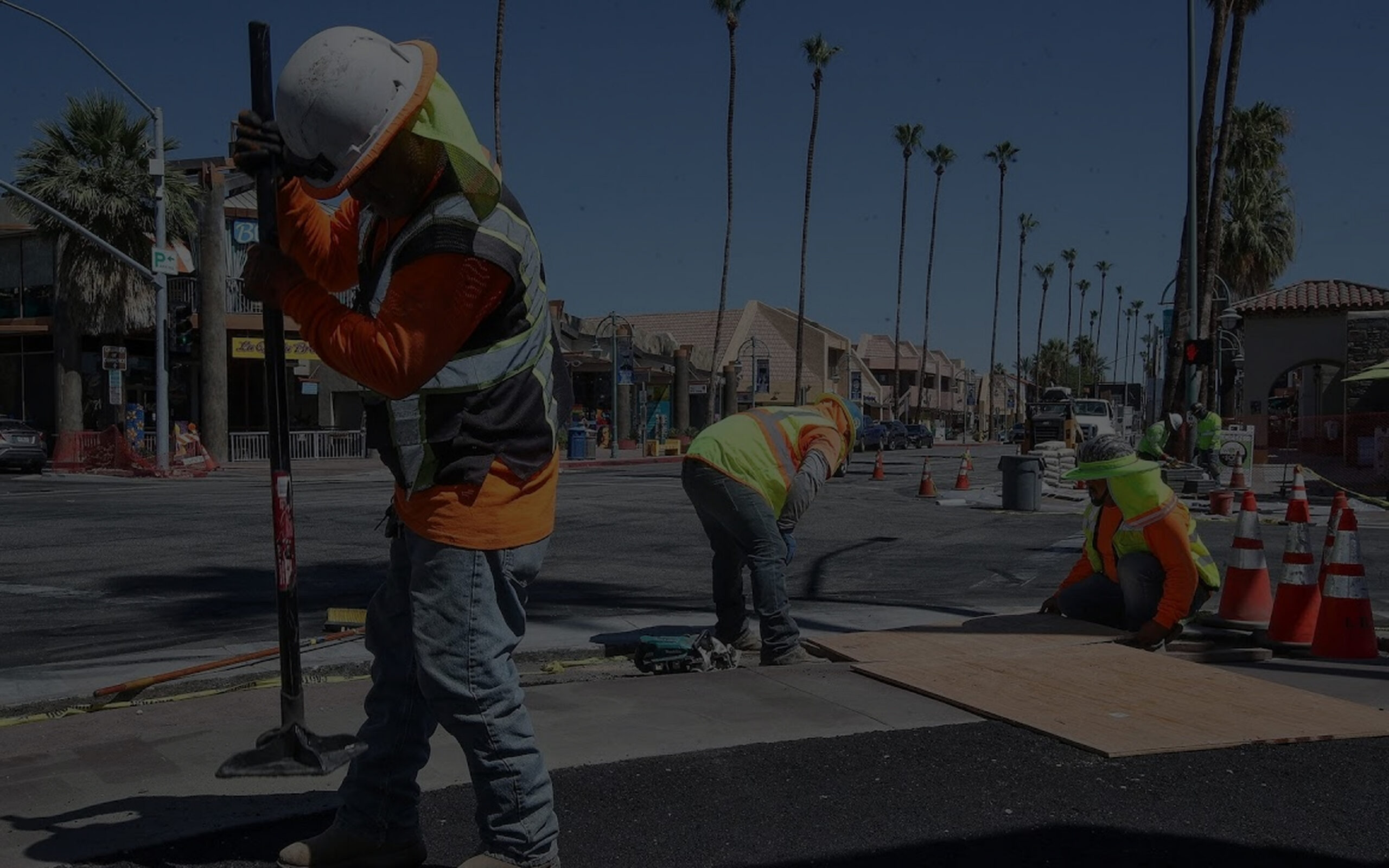
Before any digging, landscaping, or fence installation, contact your utility company to have underground gas lines marked. Accidental strikes from shovels or equipment are a leading cause of gas leaks.
4. Install Carbon Monoxide and Gas Detectors
While not a substitute for professional inspection, household detectors provide an added layer of early warning, particularly overnight when smells may go unnoticed.
5. Check Appliance Connections After Moving or Renovating
Disconnecting and reconnecting gas appliances during a move or renovation can sometimes result in improperly tightened fittings. Have connections checked after any appliance is moved or replaced.
6. Watch for Signs of Pipe Corrosion
Older homes with aging steel gas piping are more susceptible to corrosion over time. If your home’s gas lines have not been inspected in several years, it may be worth having their condition assessed.
7. Avoid DIY Gas Line Work
Gas line installation, modification, and repair should always be handled by a licensed professional. Improperly sealed joints or incorrect fittings are a common and entirely preventable cause of leaks.
8. Be Cautious During Severe Weather
Earthquakes, floods, and severe storms can shift or damage underground and exposed gas lines. After major weather events, it is wise to have your system checked, even if you do not notice obvious warning signs.
9. Monitor Your Gas Bill
An unexplained increase in usage can be an early indicator of a slow leak. If your bill rises significantly without a clear reason, consider scheduling an inspection.
10. Act Quickly If You Notice Warning Signs
Prevention also means responding fast. If you smell gas, hear hissing near a line, or notice dead vegetation near buried piping, do not wait for your next scheduled inspection — contact a professional right away.
Build Gas Safety Into Your Home Maintenance Routine
Most gas leak emergencies are preventable with consistent maintenance and a little awareness. Pairing these habits with periodic professional inspections gives you the best protection against both slow leaks and sudden failures.
GasLeakDetectionRepair offers preventative maintenance plans and routine inspections designed to catch problems early. Contact us to schedule your next gas safety check, or call our 24/7 line if you suspect an active leak.